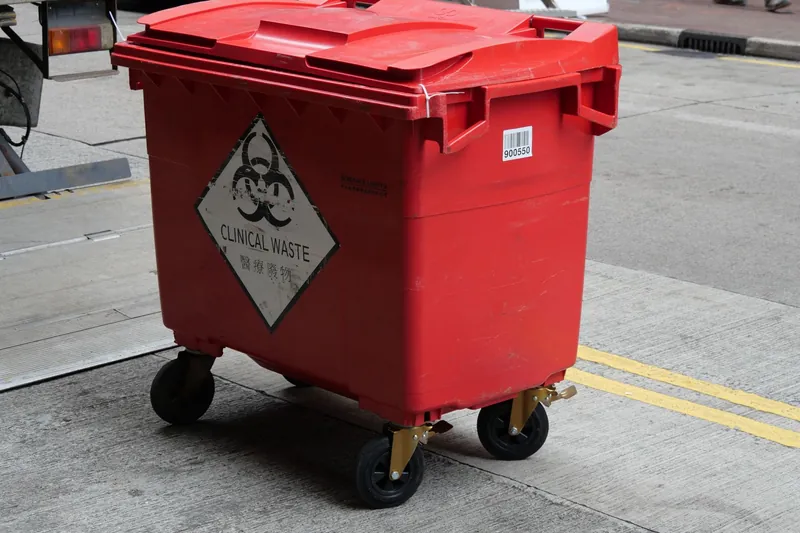
Medical Waste Removal
Medical waste removal covers disposal through an approved facility used for treatment.
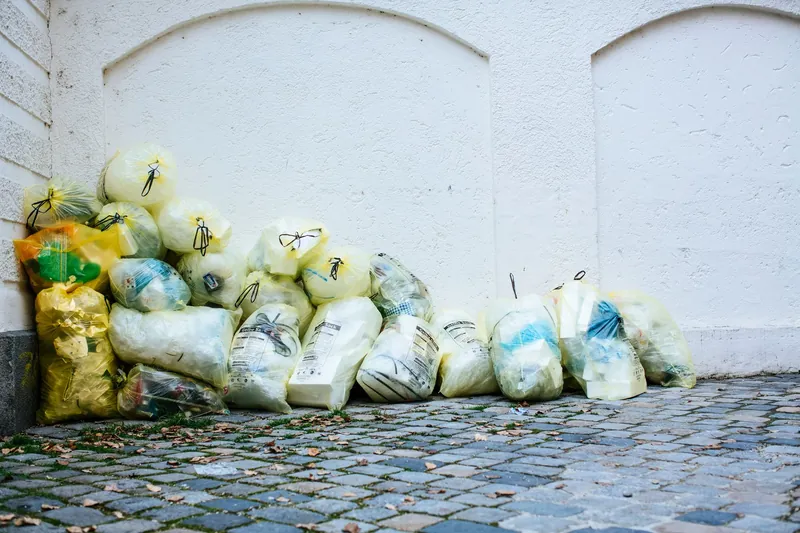
See medical waste removalGet sealed pickup and proper disposal of blood-contaminated materials, sharps and cleanup debris in Twin Lakes. The waste is separated, packaged, labeled and taken to an approved facility.
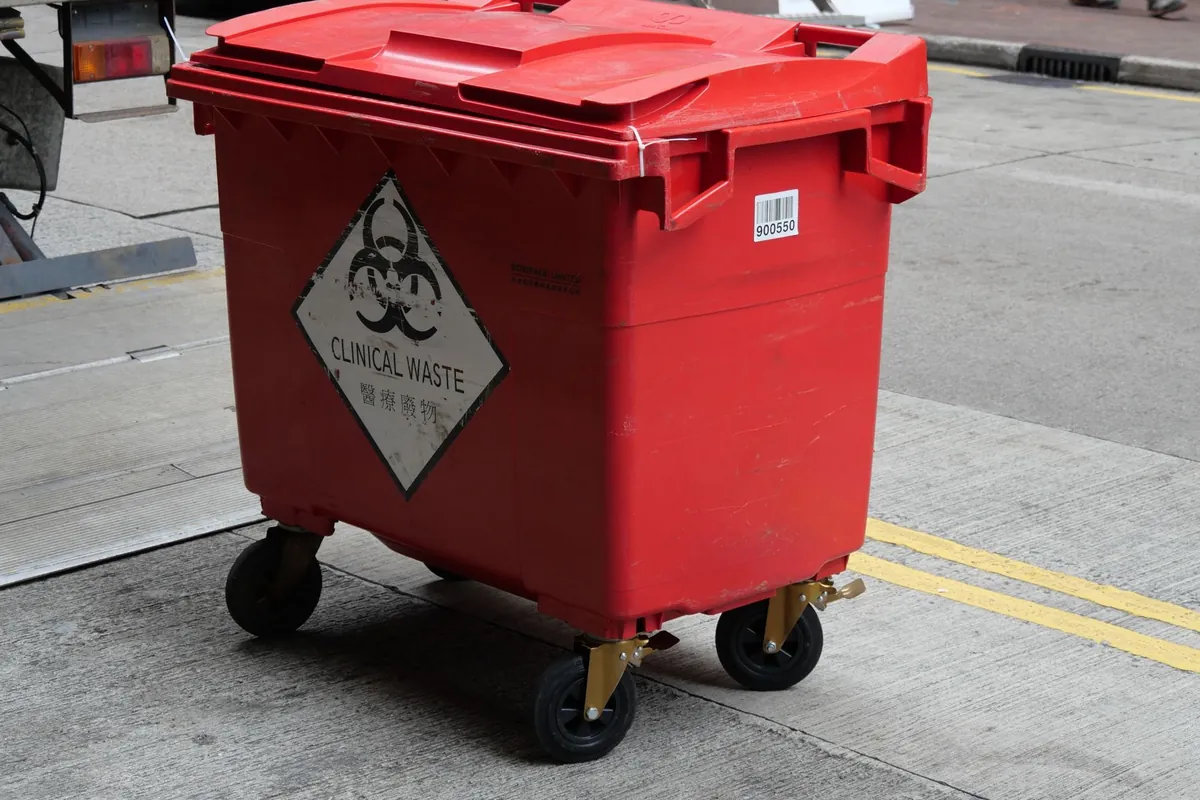
Biohazard waste disposal is a safety-controlled route for materials contaminated by bodily fluids, blood or other potentially infectious material. It covers separation and packaging before pickup, transportation and treatment by an approved method.
Waste from a workplace exposure, blood cleanup, a death or trauma scene, or another biohazard cleanup may require this service. Absorbent items, used protective equipment, affected personal belongings and sharps can all be included. Each waste category has different requirements, so rigid containers, bags and pickup arrangements cannot be substituted for one another.
The first part of pickup is confirming the material present and the way it has been contained. If packaging is unsafe, technicians can correct it, then label and close each container. They move the load while preventing contamination from spreading and create a record of its destination. This can be the final stage of biohazard cleaning or remediation. A disposal facility applies an approved treatment appropriate for that waste under the applicable rules.
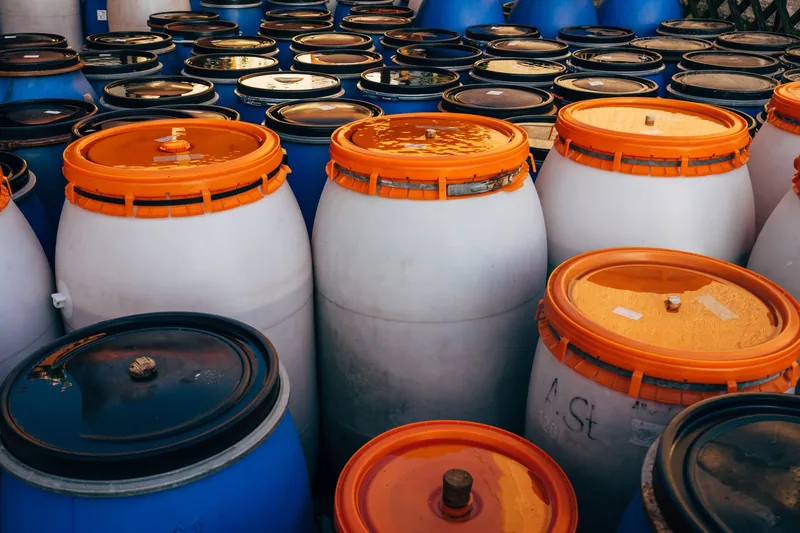
Available collection and disposal paperwork can help document your property, workplace or insurance file.
You can inspect potentially meaningful property that is separated before anyone treats it as waste.
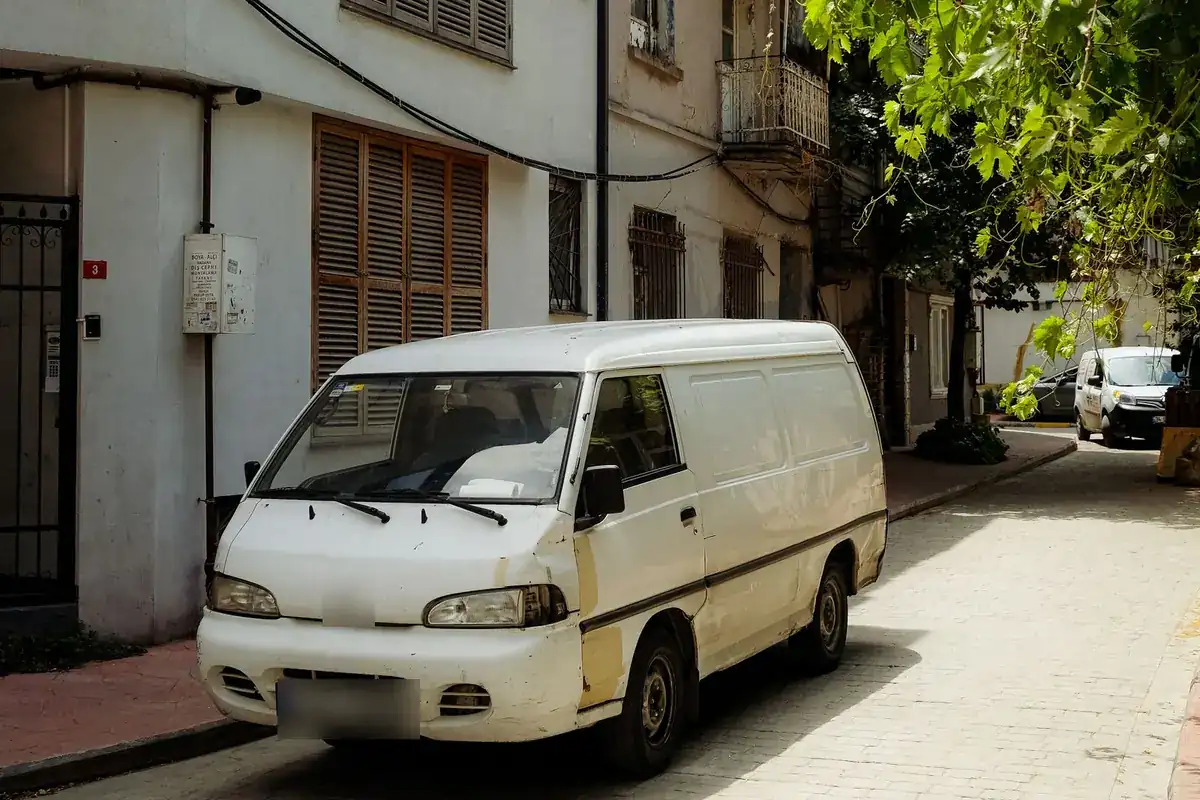
Crews use unmarked vehicles and maintain control of sealed containers as they pass through your property.
You hear what belongs in each container, what happens at pickup, which records apply and how disposal fits the wider remediation process.
Contaminated waste must be collected for biohazard disposal when keeping it on site or adding it to ordinary garbage would be unsafe. These are common pickup situations:
Following cleaning biohazard waste in a shared area or room, safe pickup is needed for the business, property manager or landlord. Cleanup services can prepare contaminated debris for pickup. Ordinary cleaning services should isolate unfamiliar waste and stop work when they lack the equipment to manage it.
Hoarding cleanup or an eviction can uncover contaminated debris, bodily fluids or discarded sharps among ordinary waste.
Gauze, absorbent material, protective gear and other items are contaminated with blood or bodily fluids.
Routine waste from a dental office, small office or another workplace requires scheduled pickup and clear documentation.
Begin by reducing the chance of contact, puncture injuries and spread into nearby spaces. If emergency responders are present, do not move the waste unless leaving it where it is would cause immediate harm. Take these precautions while waiting for pickup technicians:
Call (888) 440-9227Published guides do not price a one-time home pickup of biohazard waste. The nearest figures come from medical offices: 30 to 80 cents per pound for regulated waste, $75 to $200 per month for a small physician practice and $50 to $175 per month for a dental office. Use them as context only. Your price follows what the waste is, its weight, the containers, transport and how often it is collected.
The figures shown are national ranges from published cost guides and are not based on an on-site visit. After an on-site assessment, the price for your property is determined and shared with you before cleanup begins.
Ask about cost: (888) 440-9227Waste disposal may fall under insurance coverage when cleanup from a covered event requires it. By contrast, regular business waste is generally paid as an operating expense and not submitted as a property claim.
As part of normal operations, a business typically arranges pickup for the routine waste it generates. Store disposal and pickup documentation in your workplace files.
Homeowners or renters insurance, the estate or the property owner usually pays for this kind of cleanup. The Colorado crime victim compensation program helps only when a crime caused the loss.
Check with your insurance company to learn whether restoration services, cleanup, disposal and removal of contaminated material are covered after the specific event. Your deductible and policy terms still apply.
Ask what the insurer needs so your claim can move forward, including waste records, invoices, the number of containers, photos or cleanup scope details. Insurance companies can require different records, so ask for the exact list that applies to your claim.
The biohazard disposal process follows a controlled path from identification to treatment records. This cleanup process keeps incompatible waste types separate, and every step limits contact with hazardous materials through the entire process.
Cleanup technicians identify each waste type and examine affected areas, recording any liquids, unsecured sharps or damaged containers. Container needs differ in every situation.
Technicians use suitable protective gear while placing soft contaminated waste, sharps and additional regulated materials in their designated streams.
Soft contaminated materials go into suitable bags or containers, while sharps go into rigid, puncture-resistant containers.
Workers avoid compacting the contents as they close each container and apply markings for the waste type and destination.
Along the planned movement path, closed containers are secured for transport and kept upright as needed.
Under applicable state rules, packaged waste is transported to an approved facility for medical waste.
An approved treatment for the waste is applied by the receiving facility, followed by completion of disposal.
The business, property owner, insurance company or other responsible party can retain available pickup and treatment documentation. Every step has records that can be requested, and documents describe the entire process from start to finish.
Call at any time. You speak with a biohazard waste disposal specialist who outlines the process and schedules a start time with you.
Biohazard waste may expose you to bloodborne pathogens and cause cuts or surface contamination when proper protective equipment is missing during movement, compression or sorting. Because those health risks are serious, keep away from leaking, loose or sharp-filled waste until it can be assessed during pickup.
Exposure can occur when a needle or contaminated broken object pierces a soft bag. Sharps belong in a rigid, puncture-resistant sharps container.
Biohazard waste linked to suicide cleanup, a serious injury or an unattended death may cause distress. You are not expected to personally sort materials left behind after a painful event. Ask loved ones to stay clear of the affected area until technicians finish assessing the waste.
Blood can carry hepatitis B, hepatitis C and HIV. Hepatitis B may live on a surface for at least seven days even if the material seems dry, according to the CDC.
Can you clean it yourself? For a little fresh blood, wear gloves and use an EPA-registered disinfectant on the non-porous hard surface for the full label contact time. Blood in carpet, drywall or wood may require professional cleanup and waste disposal, as may an affected space whose boundaries are unclear.
Container choice and the route for disposal depend on the contents. A pickup separates regulated biohazard material from everyday trash, while also isolating items that belong in other waste streams. Restoration may follow removal when affected building material, such as flooring or drywall, had to be taken out.
The OSHA Bloodborne Pathogens Standard, 29 CFR 1910.1030, sets workplace requirements for protective equipment, training and practices when workers may contact blood.
Before transportation, identify and separate the waste, then secure it inside an appropriate closed container. Rather than soft bags, sharps require containers that resist punctures.
Colorado treats waste that can cause infectious disease, including human blood and body fluids, as infectious waste. The Colorado Department of Public Health and Environment's medical waste rules apply to its handling, so it should not go in household trash.
Local health and building rules can affect how a contaminated room is cleaned and when it can be used again, so mention any notice you have received from the city or county.
Pickup timing depends first on whether the waste is separated, securely closed and ready for removal. Scheduling is also shaped by the material category, its volume and which receiving facility is able to take it.
The full biohazard waste disposal guide covers what is cleaned or removed, odor and air quality work, and the rules that apply in your state.
Read the full biohazard waste disposal guideLocal housing, population and access details can shape containment, access and cleanup planning.
The 24.9% renter share suggests many residents can make direct decisions about removing contaminated flooring, walls, or personal items.
A median build year of 1977 means fluids can pass through carpet or seams and affect padding or subfloor below.
There are 478 seniors living alone locally, so cleanup communication should be calm, clear, and accessible to distant family members.
At 85.2% single-family housing, cleanup boundaries may include attached garages, utility rooms, or storage areas beyond the main room.
Ask on the call about cleanup options for neighboring communities and ZIP codes.
Medical waste removal covers disposal through an approved facility used for treatment.
See medical waste removal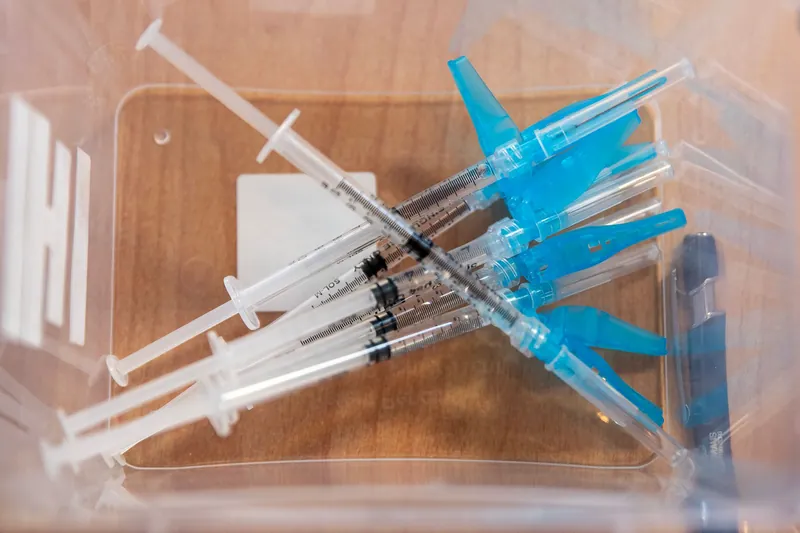
Needles and other sharps are removed from rentals, yards, encampments and parks.
See needle and sharps cleanup
Blood cleanup on carpet, hard floors, walls and furniture with safe disposal.
See blood cleanup
During cleanup, blood exposure involving hepatitis C, HIV and hepatitis B is controlled.
See bloodborne pathogen cleanup
Bodily fluid cleanup removes fluids and disinfects affected areas in businesses, homes and care settings.
See bodily fluid cleanup
Blood, body fluids and other infectious materials are removed, followed by property disinfection.
See biohazard cleanup
Site access and operating needs guide planning for commercial and industrial biohazard cleanup.
See commercial and industrial biohazard cleanup
Biohazard cleanup for clinics, care homes and healthcare facilities.
See hospital and healthcare biohazard cleanupFirst isolate the affected area and avoid contact. Cleanup involves removing contaminated porous material, cleaning the remaining hard surface, and applying an EPA-registered disinfectant for its full label contact time. Packaging all resulting waste by category completes the cleaning process. A large, hidden or sharp-filled spill needs technicians with suitable protective equipment.
Separate the waste from household trash, and leave its container closed and uncompressed. Your local biohazard pickup service needs to know what is inside before confirming appropriate packaging and the correct disposal route. State and local requirements can differ, especially for sharps, liquids and waste from a business.
A soft biohazard bag is not suitable for a needle or other sharp object. It belongs in a rigid, puncture-resistant sharps container that can be closed without reaching inside. If sharps are loose among other debris, keep everyone away and let technicians separate them with suitable equipment.
After identification and separation by type, biohazards are put in properly labeled, closed containers for transport to an approved facility. After using the treatment method permitted for the material, the facility completes a disposal record. The risk of puncturing a soft waste bag means sharps require their own containment path.
When human waste might contain pathogens, blood or other bodily fluids, it can create a biological hazard. The source, quantity and affected surfaces determine the safe response. Prevent access and do not make direct contact. Ordinary trash procedures are not appropriate when a general cleaning service encounters unknown biological material. Find out from a cleanup service what steps apply to cleaning, containing and discarding the material.
Biohazard disposal may be covered when it is required for cleanup of an event covered under your policy. Regular waste collection is a separate service. Before work begins, tell your insurance company what occurred, ask if cleanup and disposal are included, and get the required list of photos, waste documentation and invoices.
Crews carry out respectful, discreet biohazard waste disposal, arrive in unmarked vehicles and take calls 24 hours a day.